Fanquivo: The Subscription Platform That Shipped in 10 Days.
From signed agreement to live platform in ten days with subscriptions, pay-per-view content, tipping, and creator payouts working from day one.
He had the creators, the audience, and the business model.
What Milo didn't have was a platform - or the months it usually takes to build one.
By mid-2026, the loudest conversation in the creator economy wasn't about content. It was about money - who keeps it, who controls it, and what happens when a platform changes the rules overnight.
Milo Berger, a former talent manager from Berlin, had watched that story play out for five years. His creators built loyal audiences, then lost income to fee hikes and policy changes they never saw coming.
His answer was Fanquivo: an independent, creator-first subscription platform where creators keep 85% of subscription revenue and 90% of tips - and own their fan relationships outright.
He had the founders to match. Two of his former clients - a wakeboarding YouTuber with roughly 220K subscribers and a tattoo artist with a fiercely loyal ~80K on Instagram - committed to launching on Fanquivo and teasing a "big announcement" to their followers.
The stage was a creator-economy summit in Amsterdam. The audiences were waiting. The only thing missing was a live platform that could actually take a payment.
A launch date that wouldn't move, and no time to build from scratch.
Five requirements stood between Milo's idea and a platform his creators could actually get paid on.
Time pressure
Custom builds were being quoted at 7–9 months. Milo needed to be live, collecting real money, before the summit - not after it.
More than subscriptions
Nobody lives on subscriptions alone anymore. His creators wanted PPV drops for special releases, tipping for live moments, and a fan wallet so a $3 tip doesn't die at checkout.
Creator payouts
Creators expected to watch their balance grow in real time and withdraw without emailing anyone. Milo expected payout approvals to take minutes, not a 40-hour-a-month admin job. Both had to be true.
Private fan access
Fans don't subscribe to a feed - they subscribe to access. DMs with media attachments weren't a nice-to-have; they were the product.
Real ownership
Fanquivo had to be Milo's brand, domain, and roadmap - not a reseller panel with his logo pasted on top. In 2026, source code ownership wasn't vanity; it was insurance.
We started from a proven core, then shaped it around Fanquivo.
Because subscriptions, PPV, tipping, wallets, payouts, and messaging were already built and production-tested, the engagement was configuration and brand work - not months of engineering. That's what made a 10-day launch boringly realistic.
Made it Fanquivo
Full brand pass - identity, colors, domain, transactional emails, creator onboarding pages - plus the commission engine locked to Milo's model: 85/90 splits from day one, because that split was the marketing.
Money in
Three subscription tiers with free trials, pay-per-view posts, tipping, and fan wallet top-ups - configured and tested with live payment gateways, including refund and chargeback rules for an EU, UK, and US launch audience.
Money out
Every transaction lands in the creator's wallet in real time. Withdrawal requests flow to Milo's admin panel as one-click approvals, with payout methods and thresholds already configured.
Fan access
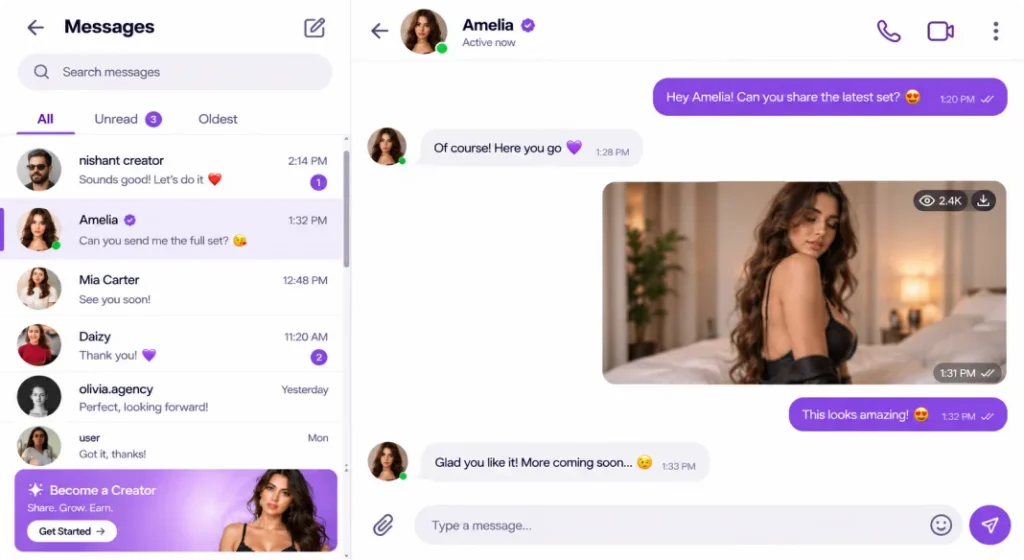
Creator-to-subscriber DMs with media attachments, switched on and tested against the exact use case they exist for: a creator sending a paying fan a custom drop.
Milo's control room
Admin tooling for his small team: creator verification, content moderation queues, transaction reports, and payout approvals.
Creators move in
Both founding creators onboarded in a single working session each, teasers went up that evening, and Milo's team ran a full dress rehearsal: subscribe, unlock PPV, tip, message, withdraw.
Live
Fanquivo went public with two creators, real content, and working payouts — not a waitlist page. The first paying subscribers landed that same afternoon.
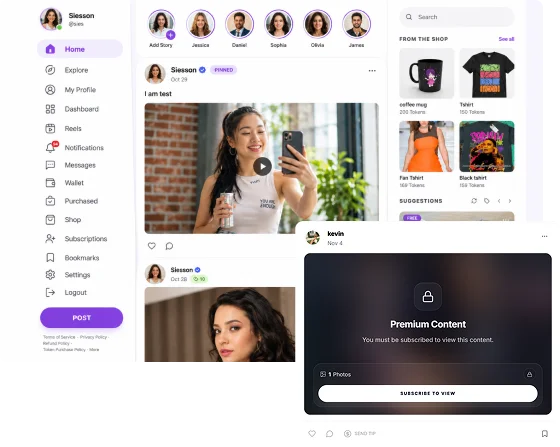
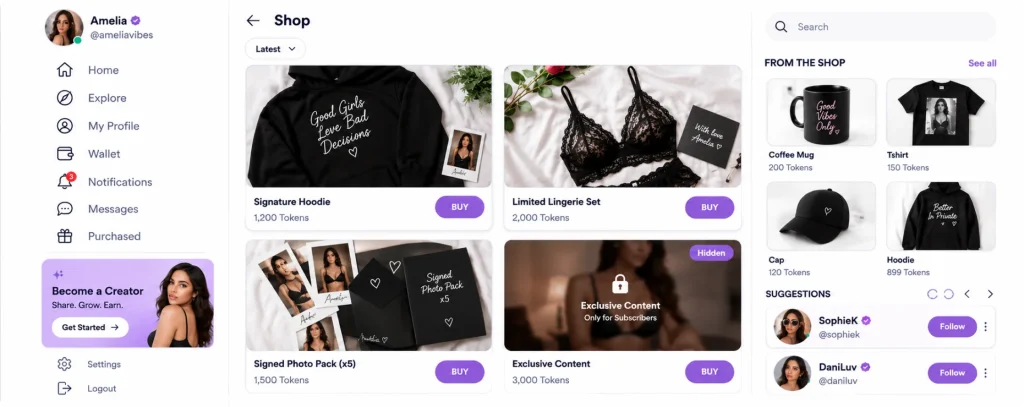
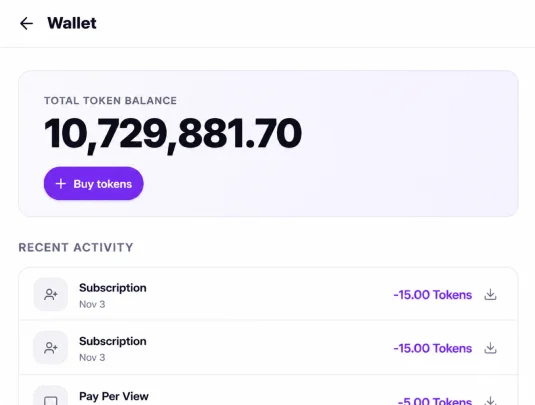
Here's how the platform looks.
Illustrative product screens showing the creator storefront, wallet management, and the subscriber messaging experience.
A branded creator storefront
Subscriptions, exclusive content, and the fan relationship - all in one destination, under the platform's own brand.
Ten days to launch. Ninety days to traction.
Founding creators arrived with real audiences and clear monetization plans — the platform just had to keep up.
I watched my creators lose income to policy changes three times before I built anything. I wanted the opposite of that - something we own, where the split is the headline, not the fine print. We went live in ten days. Ten. The first payouts landed on schedule, and by the time I stood on stage at the summit, I wasn't pitching a roadmap. I was showing live numbers.
Build the economics first, the product second.
A creator platform isn't a content app with a payment button bolted on - it's a money-flow system with a social layer on top. What made Fanquivo work wasn't feeds or profiles; it was payout thresholds, refund rules, and a creator split good enough to be the entire marketing message.
Because the platform core was already proven, Milo's ten days went into configuration and brand - not debugging. The result was a working business creators could use, monetize, and grow without waiting months for a custom build.
Launch in days instead of quarters, and let the creators do what they do best.
Have a creator platform idea? Launch it on a proven foundation.
Bring your brand and your business model - we'll bring the subscriptions, payouts, messaging, and admin tooling, ready to configure.